Featured
Table of Contents
Regulators include weight to the trend; the EU Data Act's cross-border mobility required makes sensible separation with unified views an operational requirement by 2027.Low-Code No-Code Platforms in Citizen DevelopmentLow-code tools compress advancement cycles by 5-10 and diminish IT stockpiles that often stretch 12-18 months. Services units constructed 40% of new applications in this manner in 2025, up dramatically from 25% in 2023.
Microsoft Power Platform and Salesforce Lightning highlight the hybrid approach that lets innovative developers inject custom code when visual tooling reaches its ceiling. Intricacy limitations remain; applications needing high-throughput processing revert to conventional stacks, so low-code reasonably addresses 60-70% of enterprise demand. Platforms that stabilize ease of use with "escape hatches" for pro developers are acquiring the best adoption.
Vendors counter through AI-driven return-on-investment calculators that tie prices to effectiveness gains, a method now prominent in Oracle Cloud savings strategies. Growing Open-Source AlternativesProjects such as Odoo and ERPNext serve 7 million companies, declaring 40-50% of greenfield SME implementations in emerging markets. Proprietary suppliers protect through premium assistance, sophisticated integrations, and ingrained AI modules that open-source competitors do not have.
Developer choice likewise shapes acquiring; engineers soaked in open-source tooling lobby decisively during vendor examinations. Sustainability danger tempers adoption, however, since lots of neighborhood tasks count on a narrow maintainer base or single business sponsor. Enterprises balance lower licensing cost versus possible continuity exposures. By Software Type: ERP Controls, Low-Code AcceleratesEnterprise resource preparation held 23.46% of business software application market in 2025, anchoring financing, supply chain, and making workflows.
Navigating the Intricacy of Enterprise PPCIn contrast, business software application market size for low-code platforms is forecasted to grow fastest at a 12.01% CAGR through 2031 as non-technical users build workflows without writing code. Customer relationship management solutions embed generative scoring algorithms that raise lead conversion rates, while organization intelligence suites switch batch reports for streaming control panels.
Is Your Business Ready for Rapid Growth?
Proprietary suppliers are embedding AI straight into core modules, automating reconciliations in finance suites and suggesting ideal reorder points in supply-chain modules. Low-code gamers position themselves as orchestration layers, sewing together micro-services from multiple systems. Business software market share for horizontal suites is eroding as best-of-breed vertical players plan compliance, analytics, and workflow in a single stack.
Image Mordor Intelligence. Reuse needs attribution under CC BY 4.0. Note: Section shares of all specific sections readily available upon report purchase Get In-depth Market Projections at one of the most Granular LevelsDownload PDFBy Implementation: Cloud Leads, Edge EmergesCloud deployments represented 82.14% of business software application market in 2025 and are forecast to sign up a 12.96% CAGR through 2031.
Multi-cloud postures reduce platform threat; business license applications on AWS, Azure, and Google Cloud, engaging independent software application suppliers to containerize services for mobility. Business software application market size for on-premise setups continues its steady decrease, although sovereignty and latency considerations protect specific niche importance in defense, health care, and certain public-sector workloads.
Suppliers are refactoring modules into lightweight services that run on ruggedized gateways, integrating with main clouds when connection resumes. Information localization laws in China and the EU include intricacy, forcing worldwide suppliers to buy regional facilities or partner with regional champs. Rising cloud invest is triggering 15-20% of fully grown work to repatriate to private data centers or build hybrid estates that mix predictable core processing with burst capability in the cloud.
Regulative capital computations, anti-money-laundering screening, and omnichannel engagement drive consistent financial investment. Alternatively, healthcare and life sciences will publish the fastest growth at a 13.18% CAGR through 2031, sustained by mandates for electronic health record interoperability and AI-assisted diagnostics. Business software application market size for government and public sector applications is also increasing as firms digitize person services, move off mainframes, and embrace zero-trust security architectures.
Unlocking Value via Strategic Automation
Vertical expertise allows price premiums; a healthcare-ready CRM that embeds permission management can sell at 30-50% higher license costs than a horizontal CRM that needs custom setup. Note: Section shares of all specific sections offered upon report purchase Get Comprehensive Market Projections at the Many Granular LevelsDownload PDFBy Company Size: SMEs Close the GapLarge enterprises accounted for 61.83% of the Organization software market in 2025, reflecting intricate worldwide footprints and strict security requirements.
Vendors such as Zoho provide bundled suites priced in between USD 50 and USD 100 per user each month, bypassing middleware requirements that formerly discouraged adoption. Churn threat is higher in SMEs running 15-25% annually, so providers improve onboarding to accomplish repayment before attrition. Enterprise buyers are moving to composable architectures that put together best-of-breed elements through standardized APIs.
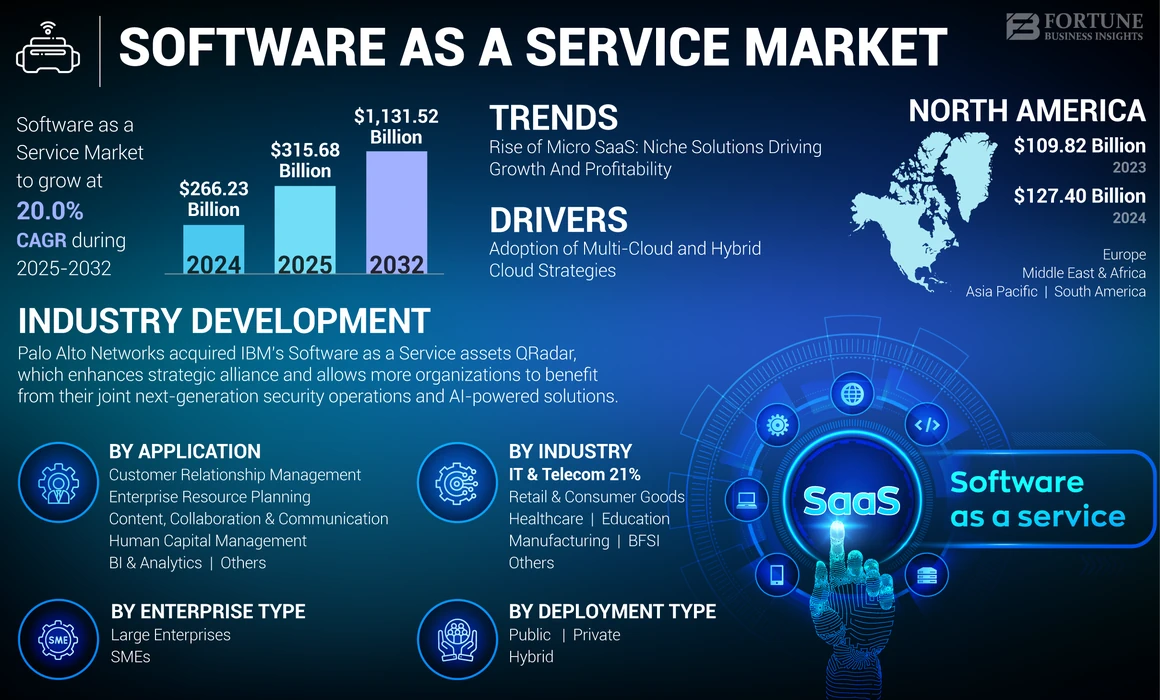
Integration complexity, however, still consumes 30-40% of software application budgets, motivating platform vendors to embed native connectors and integrated integration-platform-as-a-service capabilities that lower total expense of ownership. North America preserved 36.92% of the Business software market in 2025, due to hyperscale cloud density, deep venture funding, and a fully grown customer base excited to pilot emerging abilities.
Regulative clearness around data personal privacy balances innovation with defense, promoting constant albeit slower expansion. Europe browses intricate oversight, from GDPR to the upcoming AI Act, developing need for governance and compliance software application even as administrative requirements raise the expense of entry for smaller sized firms. The EU Data Act, efficient 2027, will mandate interoperability, potentially commoditizing combination layers and pressing differentiation towards user experience and specialized analytics.
Effective Sales Enablement Strategies to Close More Deals
Asia Pacific divides between innovative economies, Japan, South Korea, Singapore, that mirror Western adoption curves, and high-growth territories such as India, Indonesia, and Vietnam, where mobile-first methods leapfrog desktop heritage. China, with stringent localization rules, nurtures a parallel ecosystem dominated by domestic service providers like Kingdee and Yonyou, highlighting local hosting and compliance management.
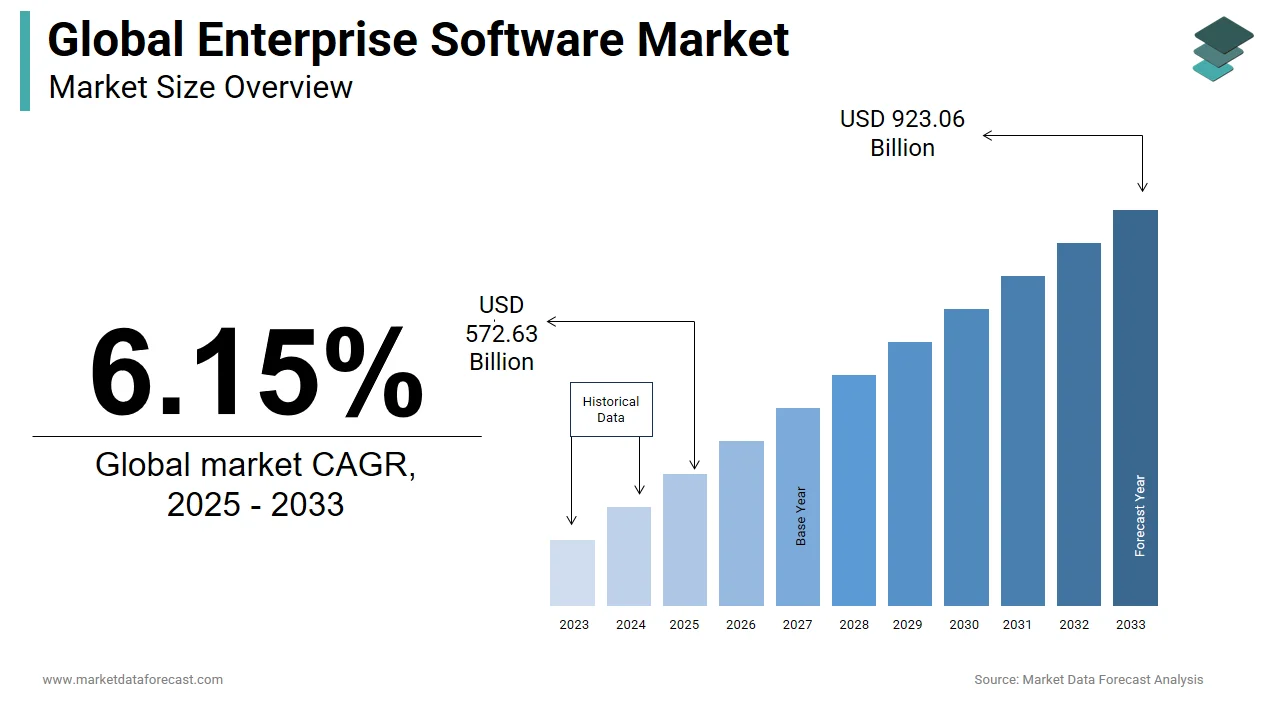
Limited regional talent pumps up earnings and extends implementation timelines, so suppliers often deliver as managed services. South America benefits from new in-region data centers that lower latency and please residency conditions, though currency volatility forces hard pricing decisions between regional denomination and USD billing. Africa posts the greatest CAGR at 12.89% through 2031, driven by mobile-centric architectures exhibited by Kenya's M-Pesa environment and surge in cloud-native fintech platforms optimized for periodic connectivity.
Reuse needs attribution under CC BY 4.0. Get Analysis on Important Geographic MarketsDownload PDF Microsoft, Salesforce, Oracle, SAP, and ServiceNow hold approximately major shares, leaving room for hundreds of vertical or local challengers. Salesforce's AppExchange hosts more than 7,000 add-ons, collecting community charges while partners extend functionality. Microsoft embeds Copilot across Workplace, Dynamics, and Azure, weaving AI into routine workflows and raising changing costs.
Open-source entrants catch budget-constrained segments, particularly in emerging markets where vendors should substantiate every premium dollar through separated AI, uptime warranties, and compliance certifications. Composable architectures damage monolithic benefits by permitting business to interchange parts without wholesale rip-and-replace, a dynamic that favors agile innovators with tidy APIs. Incumbents react through acquisitions and collaborations.

Latest Posts
Boosting Search Performance in AI Search Systems
Leveraging Server-Side Rendering to Improve Web Visibility
Ways AI Reshapes Digital Search Performance